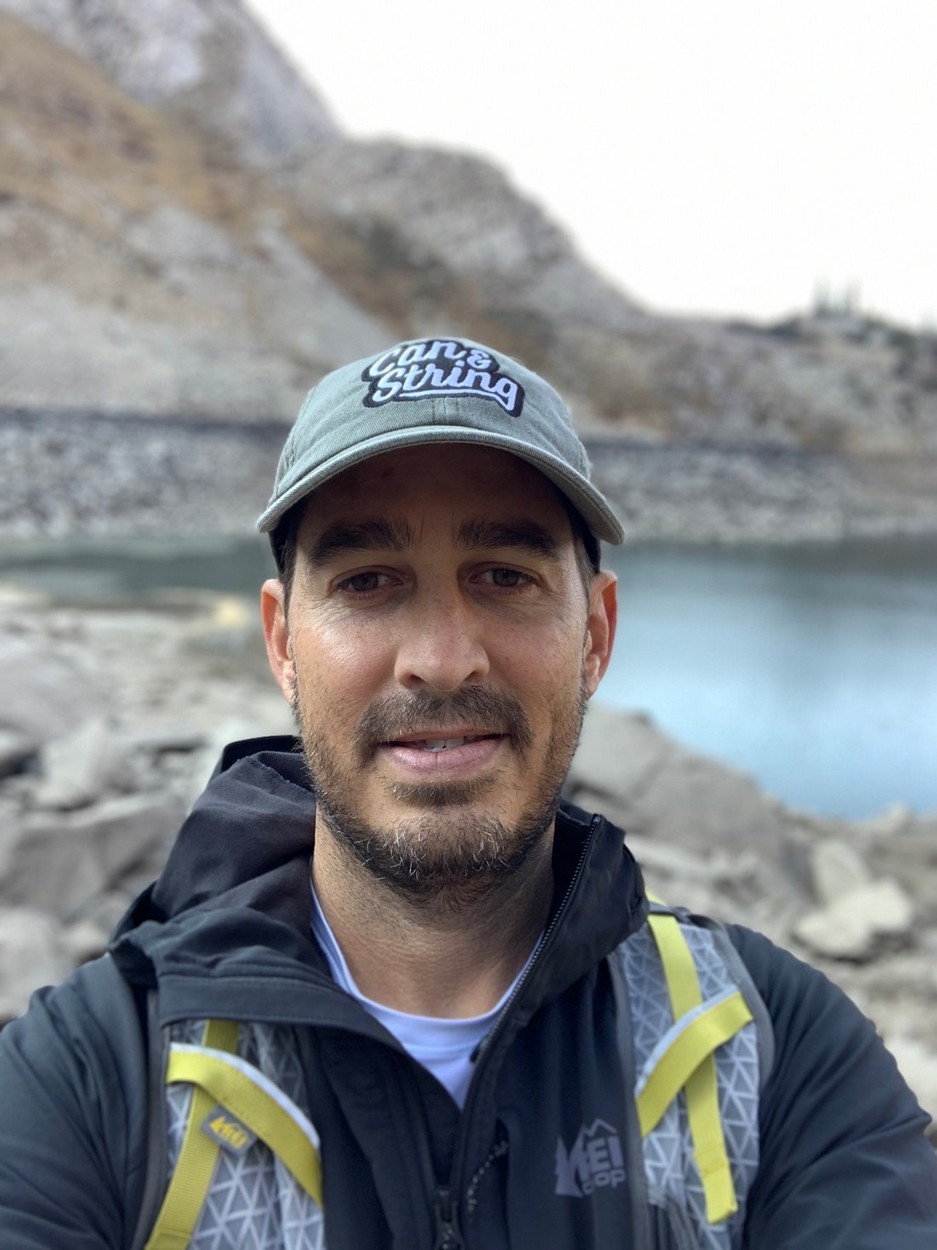
Before dinner I asked Karl Meltzer for a trail recommendation. “Easy or hard?” he asked, not offering a middle ground. I said medium. He sent me up the White Pine Lake Trail in Little Cottonwood Canyon, ten miles out and back with three thousand feet of climbing to a lake above ten thousand feet, which is roughly ten thousand feet higher than anywhere I train in Florida. When I told him my time, he said, “Not bad.” Coming from Karl, that's a ticker-tape parade. I've thought about his question more in the six years since than I did on the climb.
That was October 2020. The last time I'd seen Karl was at three in the morning on top of Springer Mountain in 2016, when he finished his southbound record on the Appalachian Trail and I was one of the producers of the film about it. Four years later the biggest project of my career was on hold while my client waited out the pandemic, so I flew to Salt Lake City to film him for a documentary series I was developing for Can & String. At dinner that night at the Porcupine in Cottonwood Heights, he asked what it would take to build a real brand around the Speedgoat name. His nickname was on the most famous trail running shoe in the world, then in its fifth version at Hoka. It was on a waist pack, a sock and a coffee blend, and every one of those companies had drawn its own goat. The products were great, and the man behind the nickname was one of the greatest mountain runners of all time. The branding that went with all of it, to put it bluntly, sucked.
Eleven days later I was standing at the finish line of the No Business 100 in the Tennessee woods when Karl came across it, nineteen hours and forty-four minutes after he started, in first place. When I got home I wrote to offer to build the brand from scratch for a share of it. His reply came the next day from a rented cottage in the Smokies. He thought Speedgoat could be massive, “just like Hoka, Black Diamond,” and said he was a generous person when it came to sharing the profits. He also wrote, “I don't want to work 80 hours a week to make it happen. I work to live, don't live to work.” I read the first half of that email three times and the second half once.
I read the first half of that email three times and the second half once.
My proposal software logs everything that happens to a document. It shows I sent mine to Karl on November 12 at 10:01 in the morning, and that he opened it at 1:46 that afternoon. A week later he wrote that it all looked good, “as I expected,” and that we'd have to figure out terms. We did, eventually. They were his terms, not mine, and not the compromise we'd talked about either. In hindsight, that log tells most of the story. I read the log on every proposal I send, and I'd learned long before Karl that it doesn't always agree with what the client tells you. This time I believed the client.
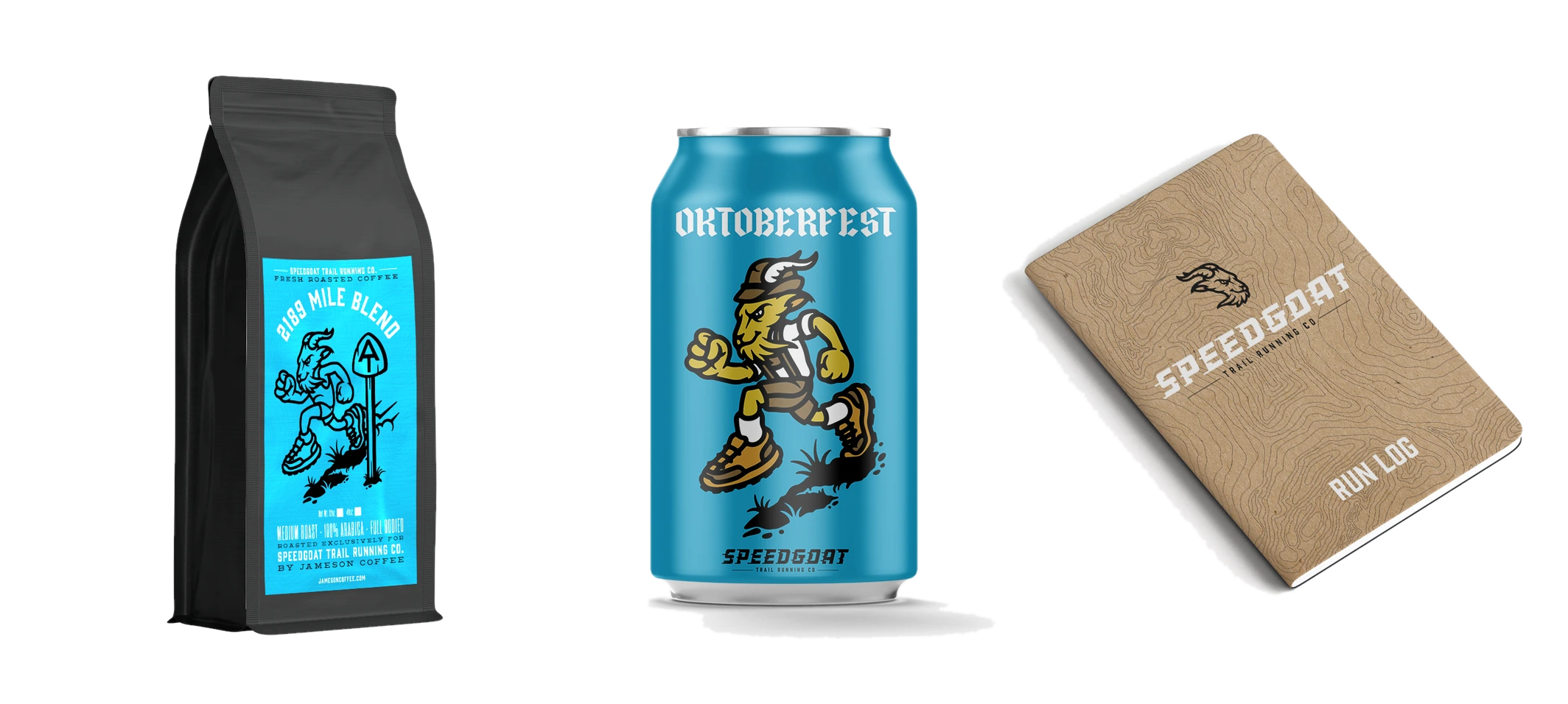
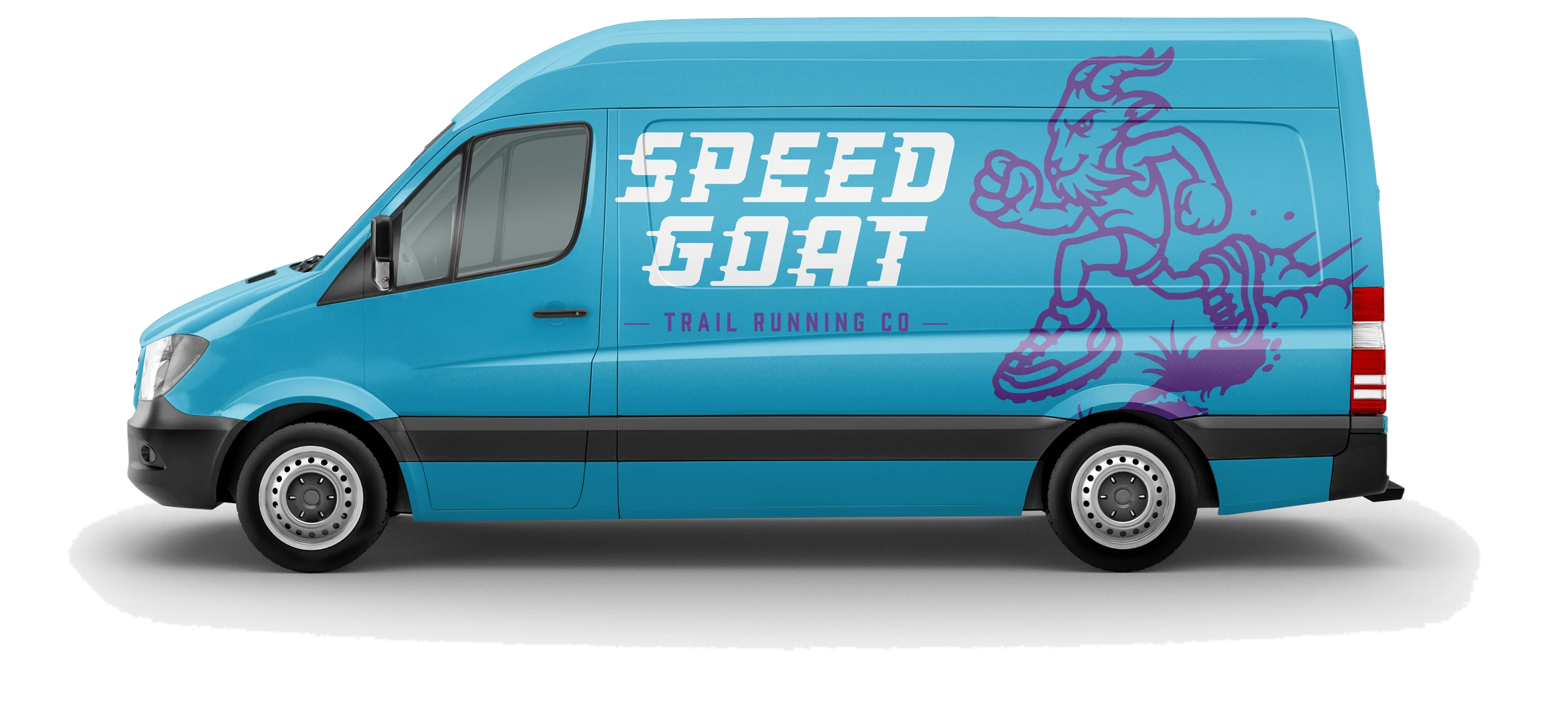
The work started anyway, and in 2021 it ran alongside everything else. The project the pandemic had paused came back to life and had to be finished, down to a ten-page punch list from the hotel company before the final walk-through and handing over the keys. Our second son, Max, was born in May. A month later my mother-in-law, Olga, was diagnosed with glioblastoma. I took one of the brand calls with Karl at the St. Augustine Alligator Farm, on what turned out to be our last visit there with her. We took care of her through her final weeks as the tumor advanced, and she died that September. Through all of it my team kept refining a goat head simple enough to embroider at the size of a thumbnail, and a mascot we called the Goatman, who could change clothes for whatever he happened to be selling. We mocked him up on an Oktoberfest can in lederhosen. Karl liked “the more evil looking face.” By the next spring the guidelines ran twenty-three pages and covered every place the business plan I was writing said the brand would show up, from the hats and the coffee bags to a pocket run log, the store, a van for running with fans on iconic trails, the app, and a corner of somebody else's shoe, sock and pack. Karl was introducing me to Drymax, UltrAspire and Jameson Coffee as his partner and “the creative guy on our logo,” and showing our goat head to Hoka's design team for the Speedgoat 6.
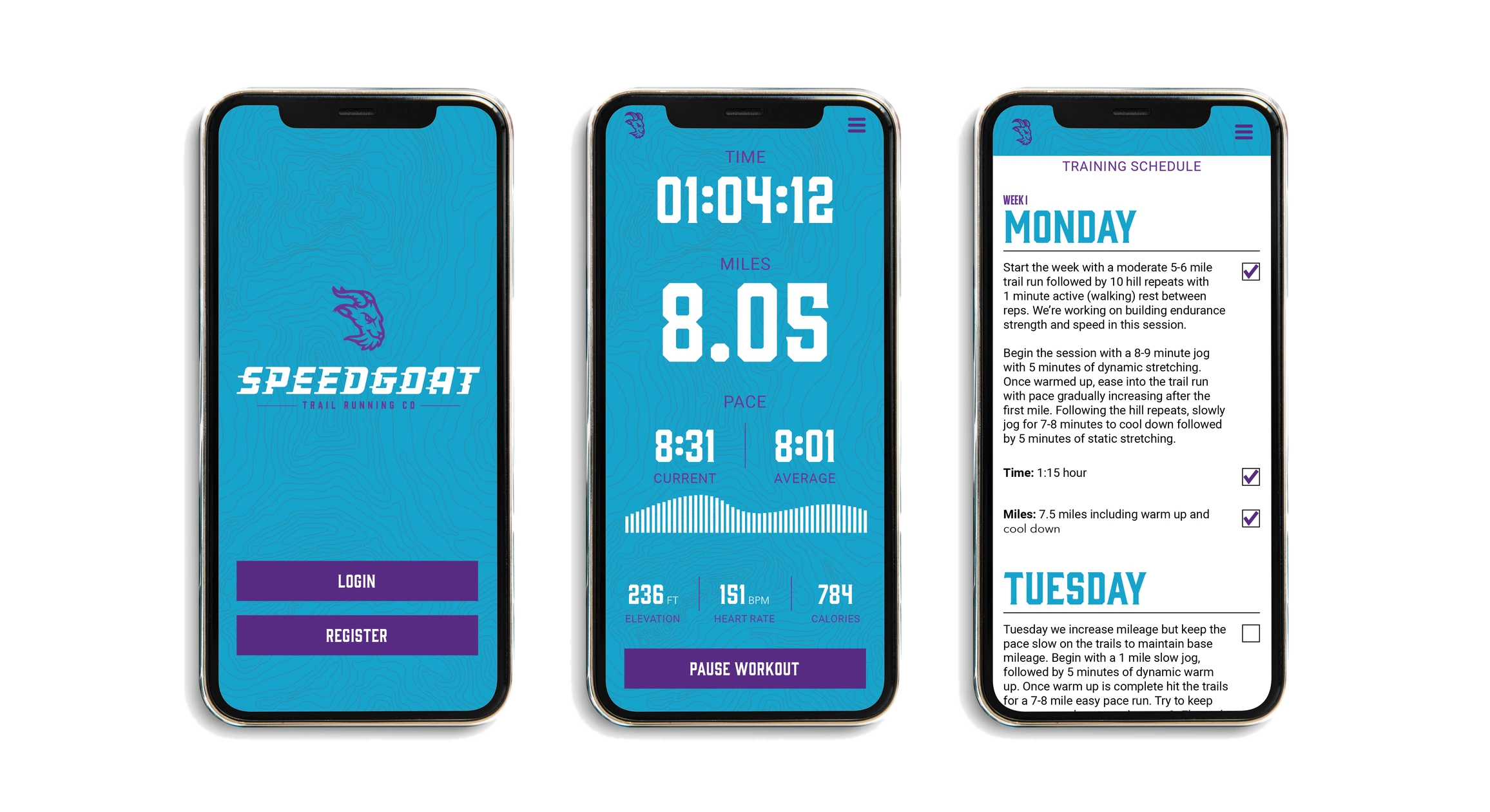
That fall I sent him a list of questions to build the brand story around. What did Speedgoat mean to him? “A simple nickname that ended up being me.” What should it stand for? “Trail running made simple.” What was the ultimate goal? A legacy, and enough to retire on. They were good answers, and they were his. My answers to the same questions had grown a trail running app with a marketplace, a licensing strategy a friend in mergers and acquisitions had pressure tested, a documentary series to launch it, and a pitch to a company the size of Deckers. Karl thought the Deckers idea was rad. He also told me he had no idea how to go about any of it, and reminded me, with a smiley face, that he didn't like to work. He's said the same thing on more than one podcast, and coming from a man with more than 175 ultras behind him and a race to direct on one of the hardest 50K courses in the country, it has only ever meant he likes to work on his own terms.
In February 2022, Karl and Cheryl told me on a call what they wanted: an online store selling the gear Karl used, and maybe some hats. If that was a deal breaker, they said, we could part ways with no bad blood. I'd spent enough years in surf and skate retail to know that reselling other brands' gear tops out around twenty to thirty percent margin, and I told them a store like that would never support three people. I said I'd start with the store as long as we pursued the rest of the plan, and they agreed. Nobody wrote it down. When the operating agreement arrived in May, it named an online store as the business and said nothing about the brand, and I signed it. That one's on me.
That July I ran Karl's race. The Speedgoat 50K at Snowbird is billed as the toughest 50K in the country, and Karl warns anyone who will listen not to make it their first. It was my first. I was so taken with the spectacle that I was one of the last people across the start line, I spent too long at the Hidden Peak aid station, I stopped for too many photos, and a parade of ATVs climbing the road into Pacific Mine held me up on the way down. I missed the second cutoff by twelve minutes. I'd given some of what I had to the wrong things.
Five months later I finished my first ultra. The store opened in December 2023, the same month I finished my first fifty-miler at Cloudland Canyon, weeks after a car accident and before an MRI showed two herniated discs in my neck. We ran hundreds of miles in the hats before we sold a single one, which is the most fun I've ever had doing quality control. The red one was my design, and somewhere in those miles we found that the corners of the bill worked their way through the lining and frayed the sweatband. Nobody buying it would have noticed for a while. We didn't sell it. Karl and I did the fulfillment ourselves and split the country at the Mississippi River, he shipped everything west of it and I shipped everything east, and in a year of hundreds of orders we had one return. Five of the six ultras I've run happened inside the life of that company.
I never finished the documentary series I flew to Salt Lake City to make. It went on the shelf in 2021, along with three other series of mine that each still have exactly one episode. Speedgoat was the fork in the trail I took. In ultrarunning, when you drop out of a race, three letters go next to your name in the results. We dissolved Speedgoat Trail Running Company in January 2025, and I've spent a while deciding what belongs next to that one. The closest I can get is Karl's question at the trailhead. He'd answered it for himself in the first email he ever sent me about the brand, and it was a good answer for a man who has spent thirty years running farther than almost anyone and wants the rest of his life to be his own. I kept picking the steeper trail and assuming he'd not only follow me up it but pass me. In the mountains he always told me the steeper the better, and he's never had any use for douche grade, his word for any trail easy enough to pedal a mountain bike up. DNF.
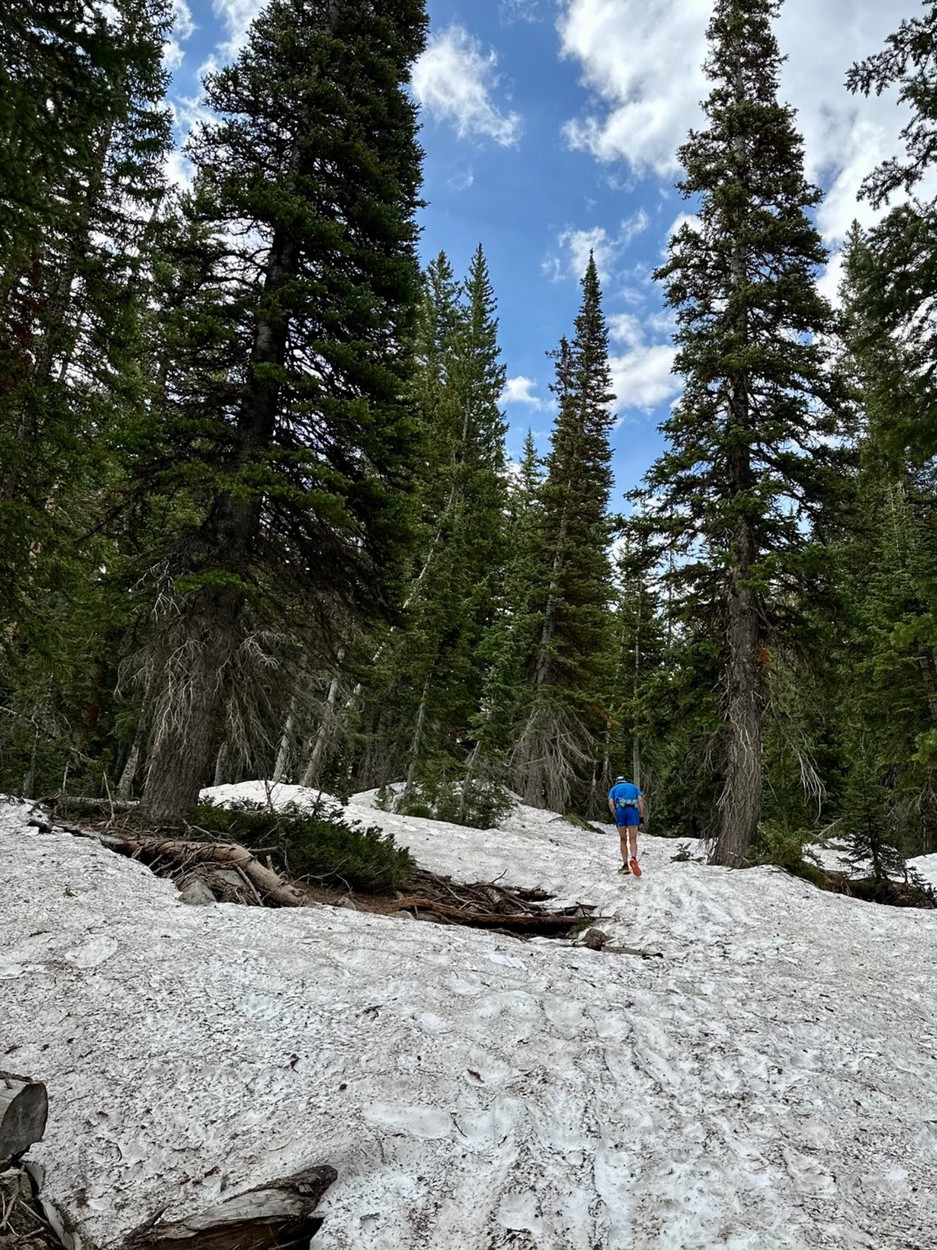
I still buy Hoka Speedgoats and do most of my training in them. They're the best trail shoe I've ever run in, and his name is on every pair. There's a Speedgoat mug in my kitchen. I designed it. On the back, in Karl's words: 100 miles is not that far. I've been training for my first hundred for years now, through injuries and a stretch of life that never asked my permission, and I can tell you with some authority that it is really fucking far. So was this.
Can & String
Can & String builds brand systems from the business plan outward, for founders whose name has to travel further than a logo. Every engagement starts with a written brief, and the brief has two signatures on it. hello@canandstring.com